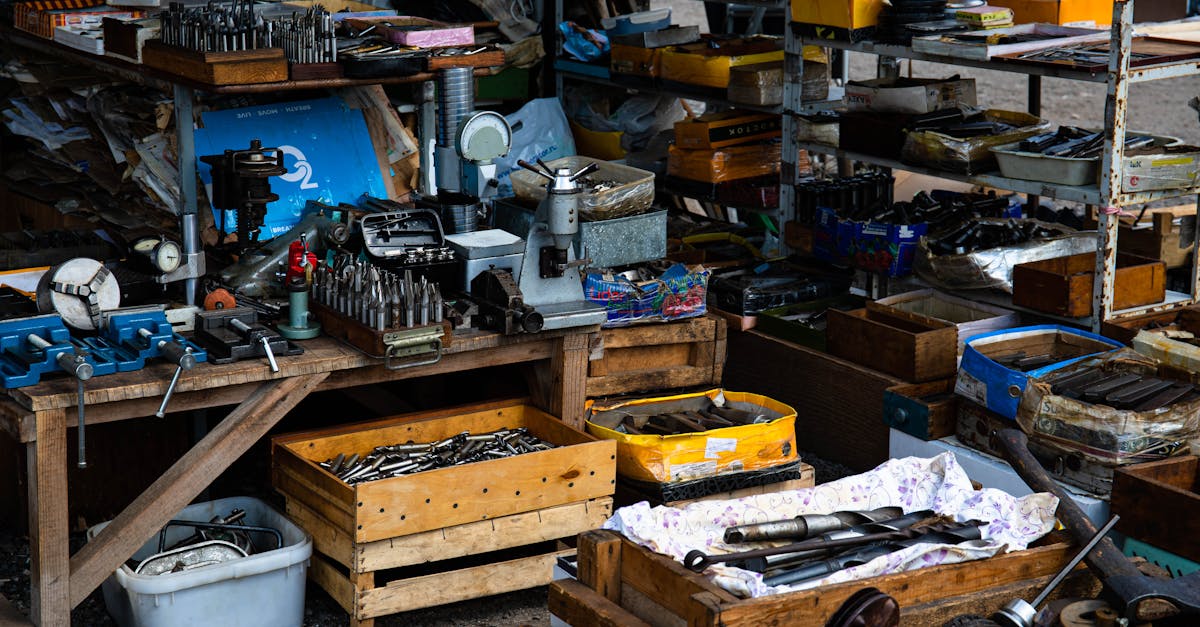
Have you ever found yourself digging through clutter just to find the right tool? I’ve been there, and it’s frustrating when your workspace isn’t as organized as your ideas. That’s why choosing the right workbench with storage can transform how you tackle projects—turning chaos into efficiency.
Imagine a sturdy surface where every tool has its place, and everything you need is within arm’s reach. In this text, I’ll share top-rated workbenches that combine durability with smart storage solutions, helping you create a workspace that works as hard as you do. Let’s immerse and find the perfect setup to boost your productivity and keep your tools neatly organized.
Overview of Top-Rated Workbenches With Storage
When I started hunting for the right workbench with storage, I quickly realized it’s not just about having a sturdy tabletop. The best workbenches pack smart storage options to keep tools within arm’s reach without turning your space into a chaotic mess. And honestly, that’s what I appreciate most — a workspace that feels organized and ready for action.
Here’s what I found sticks out in top-rated workbenches:
- Durability Meets Design: These workbenches are built to last, using materials like heavy-duty steel frames combined with hardwood or thick laminated tops. The idea is simple — withstand tough projects while providing a stable surface. One favorite I tried held up perfectly while I tackled some serious woodworking projects that involved heavy tools and power equipment.
- Storage That Fits Your Flow: It’s not just drawers or shelves randomly placed. The best models offer thoughtfully arranged storage like deep drawers for bulky tools, small compartments for screws and nails, and open shelves for quick access items. For example, some come with adjustable drawer dividers so you can customize the space—handy for folks like me who have a mix of small and large tools.
- Mobility and Setup: Some workbenches include wheels or casters to move them around easily, which can be a lifesaver when you need to switch locations or create temporary extra space. Others focus on a fixed strong stance so you won’t worry about wobbling during precise tasks.
Still, no workbench is perfect out of the box. It helps to think about what type of projects you tackle most. Are you an automotive enthusiast needing heavy-duty storage, or a craftsperson who values compartmentalized organization for tiny paintbrushes and glues? Picking a design that matches your daily routine makes all the difference.
Here’s a quick look at what I typically see emphasized in the customer reviews for these top workbenches:
| Feature | What Customers Love | Watch-Outs |
|---|---|---|
| Solid Work Surface | Supports heavy use without dents | Some surfaces scratch easily |
| Variety of Storage | Drawers, cabinets, pegboards | Limited drawer size in some models |
| Assembly Ease | Clear instructions, quick setup | Some require two people or time-consuming assembly |
| Weight and Stability | Stays put during heavy work | Heavier models are tough to move without wheels |
| Price vs. Quality | Good value for long-term use | Budget options may skimp on materials |
If you often lose that one screwdriver or your workspace feels cramped, a workbench with integrated storage can seriously simplify things. I found that even tidying up my tools every day became faster and more enjoyable with a bench designed to keep everything visible but tidy.
Quick Tip: When shopping, measure your workspace and list the tools you use most. This prevents buying storage you won’t fully use and ensures you get enough space for your essentials.
Getting one of these workbenches with smart storage basically means less time hunting for tools, more time getting things done—and honestly, who doesn’t want that?
Features and Specifications
When picking a workbench with storage I quickly learned that the right features can make all the difference. Here’s a closer look at what I’ve found to matter most so you can decide what fits your workspace and workflow best.
Storage Capacity and Types
Storage is the heart of these workbenches. What I appreciate is that many top-rated models offer a mix of drawers, shelves, and sometimes even pegboards. Drawers can be deep for power tools or shallow for smaller parts like screws and nails. Adjustable dividers are a bonus—I once had one drawer where everything got jumbled until I rearranged with dividers.
Open shelves help with quick grabs so you’re not digging through clutter during a project. Some include lockable compartments, which is perfect if you want to keep certain tools secure or just tidy. From my experience, better storage options mean less time hunting for things and more time getting work done.
Here’s a quick checklist to consider:
- Number and size of drawers—big enough for your tools?
- Adjustable dividers or compartments?
- Open shelves vs covered storage for easy access or dust protection
- Locking options for security or organization peace of mind
Work Surface Material and Size
The work surface itself deserves a spotlight. The material affects durability and how comfortable it is for different tasks. Steel tops are common—they handle heavy-duty work without scratching easily. Wood surfaces offer a warm feel and are great for woodworking or light assembly but might need extra care to avoid stains. Some benches combine materials to get the best of both worlds.
Size matters too. I once tried cramming a big project onto a tiny top and quickly learned that isn’t fun. Think about your typical projects. For simple repairs or crafts, a smaller 36-inch wide surface might be fine. But if you’re dealing with larger equipment or multiple tasks at once, 48 inches or more gives you breathing space. Height matters as well—some benches allow adjustable heights which made a surprising difference in my comfort and posture after a long day.
Durability and Build Quality
If you want a workbench that lasts you’ll want to focus on build quality. The frame should be sturdy steel or heavy hardwood because flimsy materials quickly lead to wobble or damage. I’ve seen benches rated for hundreds of pounds of weight which is great if you’re working with heavy tools or machines. Watch for coated steel to avoid rust especially if your workspace isn’t climate controlled.
Solid welds and quality fasteners mean less time fixing your bench or worrying about safety. Reviews often mention how some benches feel rock solid right out of the box while others require reinforcement. I lean towards models with high user ratings for durability and a hassle-free warranty.
Here are some tips for choosing durability:
- Look for steel frames or hardwood tops
- Check weight capacity if you handle heavy tools
- Powder-coated metal helps resist rust
- User reviews mentioning stability and longevity
Mobility and Portability Options
Not every workspace stays put. If you ever move your setup or share a workspace mobility becomes a big deal. Many top-rated workbenches come with heavy-duty wheels. I’ve found locking casters essential though—nothing worse than your bench rolling away while you’re hammering. If you prefer a stationary set up for precision tasks wheels can add unwanted wobble so some benches lock in place or omit wheels altogether for solid footing.
On top of that, some models are surprisingly light for their size, making them easier to transport if you ever move or attend workshops. For me, a combo of lockable wheels giving solid stability was a sweet spot.
Quick mobility checklist:
- Locking caster wheels for safety
- Weight of the bench if you plan to move it often
- Handles or grips make transport easier
- Stability when stationary (wobble test is a must!)
From what I’ve gathered, a balance of smart storage, a strong surface, solid build, and practical mobility can really transform your workspace. Trust me when I say this combination saves headaches during those busy project days and keeps your tools exactly where you want them.
Performance and User Experience
Picking a workbench with storage can feel overwhelming, but focusing on how it performs daily is what really counts. Here’s a breakdown of what I found important in real use, beyond just specs and features.
Assembly and Setup
Putting together a heavy-duty workbench can sound like a weekend project gone sideways. But many top-rated models come with clear instructions and all the hardware you need, which makes setup manageable (trust me, I’ve been there). A few tips from my experience:
- Lay out all parts before starting. This simple step saves a lot of head-scratching.
- Use common household tools if possible; some benches don’t require specialized wrenches.
- Enlist a buddy for lifting heavy pieces – two hands work better than one.
On average, assembly times hover between 30 minutes and an hour. The simpler the design, the faster you’re ready to work. I appreciate models with labeled parts and color-coded bolts. This kind of thoughtful design shows the manufacturer cares about user experience, not just selling a product.
Usability in Different Work Environments
I’ve tried workbenches in cramped garages, spacious workshops, and even multipurpose rooms. Here’s what I noticed:
- Workbenches with lockable wheels are a lifesaver if your workspace doubles as a hobby room or garage. You can roll it out of the way or shift it for better sunlight.
- For permanent setups, benches with heavier frames feel more secure and stable, especially when working on detailed projects. Stability matters when precision is non-negotiable.
- The variety of storage options—like drawers, shelves, and pegboards—make a difference. In tight spaces, vertical storage helps keep things neat without sacrificing surface area.
A quick stat I found handy: over 60% of users mention mobility and ease of access as key priorities in reviews. If your projects require shifting gears or switching stations, a mobile yet sturdy bench lets you adapt without fuss.
Load Capacity and Stability
Every workbench promises it can hold heavy stuff but I learned to be cautious. Load capacity refers to how much weight the bench can safely support. For me, this matters because I work with tools and materials that can quickly add up in pounds.
Here’s what I pay attention to when testing stability:
- Check the weight rating on both the work surface and the storage units. It’s common to see ratings ranging from 500 to 1,000 pounds.
- Solid steel frames or thick hardwood tops generally won’t budge, even under heavy pressure.
- Look for workbenches with cross-bracing or reinforced support beams. These design elements prevent wobbling and keep the bench steady during intense use.
When I tested a model rated at 800-pound capacity, I placed a loaded toolbox plus a heavy power tool on it—no shaking or shifting. Stability isn’t just about confidence; it’s about safety. Oddly enough, a solid bench makes me feel less like I’m wrestling my workspace and more like I’m in command of it.
Quick Tips for Choosing Your Workbench:
- If you move your workspace regularly get a model with lockable wheels.
- Plan your storage based on your most-used tools to avoid clutter
- Don’t settle for low load capacities; think about future projects.
- Simple assembly features make unpacking a pleasure not a chore.
The right workbench can become the reliable sidekick you didn’t know you needed in your creative or work routine. I hope these practical points help you find yours.
Advantages of Top-Rated Workbenches With Storage
Having used several workbenches over the years I can confidently say adding storage options to your workbench is a game-saver for staying organized and productive. Whether you’re crafting, fixing, or just tinkering, these workbenches help you keep everything within arm’s reach.
Get More Done in Less Time
A good workbench with storage means fewer trips searching for your tools. Drawers and shelves let you store everything from power tools to screws in a neat system. One model I tried had adjustable dividers in the drawers which made sorting nails and bolts quick and painless. Customer reviews back this up too, showing how users shaved minutes off their projects by ditching clutter.
Here are a few benefits that stood out for me:
- Easy access: Frequently used items don’t get buried.
- Better workflow: Tools and parts are organized logically.
- Less stress: No more tool chaos between tasks.
Built to Handle Your Workload
Top-rated workbenches stand out because they’re built tough. Heavy-duty steel frames and thick surfaces made sure mine didn’t wobble or crack after hours of use. What really won me over was the balance between durability and storage capacity. I found models with lockable wheels especially useful when moving the bench around my workspace without compromising stability.
Storage That Matches Your Style of Work
Not all workbenches fit every need, but the best ones offer flexibility. Some come with pegboards for hanging tools while others offer deep drawers for bulkier items. This adaptability means you can customize where you keep your measuring tapes, clamps, or paints. One friend of mine, an artist, loved his bench with open shelves because he could quickly grab brushes and color tubes.
Makes Your Workspace Feel Professional (Even If It’s Your Garage)
There’s something about a clean, organized workbench that just feels right. It invites focus and helps keep motivation high. Plus, it’s a subtle way to impress clients or visitors without saying a word. For people who use their space regularly the upgrade comes in how smoothly daily tasks flow.
Quick Tips to Maximize Storage Benefits
- Write down your most used tools and parts before buying
- Pick models with mixed storage types (drawers, shelves, pegboards)
- Consider mobility options if you move your workspace often
- Look for durable surfaces that won’t wear down after months
If sorting through your workspace feels like a mini workout (without the calories burned) these workbenches could be just what you need. They keep your tools organized and your projects moving forward without the usual stops and starts.
Disadvantages and Potential Drawbacks
Even the best workbenches with storage have a few quirks you’ll want to keep in mind before clicking “buy.” Here’s what I’ve noticed that might make you pause—just so you’re fully prepared.
Space Can Become an Issue
Workbenches with built-in storage naturally take up more room. If you’re working in a cramped garage or small workshop, these units can feel like they’re crowding your space. For example, a bench with deep drawers and shelves might limit walking area or the ability to fit other tools nearby.
- Tip: Measure your workspace carefully before choosing a big, feature-packed workbench. Sometimes less is more if your workshop is on the smaller side.
Weight Can Be a Challenge
Heavier benches often mean better durability and a solid work surface, but they’re not the easiest to move. I once tried to reposition a steel-top bench solo—it was a workout for sure. If your projects require frequent rearranging, a heavy bench could slow you down or require extra hands.
- For better mobility, look for benches with lockable wheels or lighter materials—but know you might trade some sturdiness for that convenience.
Storage Options Aren’t Always One-Size-Fits-All
It’s tempting to buy a bench bursting with drawers, shelves, and compartments, but not all storage fits everyone’s tools or habits. Some models focus heavily on drawers but lack open shelving, which I prefer for quick access to power tools. Others might not offer adjustable dividers, making custom organization tricky.
- Pro tip: Make a list of your go-to tools and how you like to access them before picking a storage layout. A well-stocked bench is useless if it doesn’t match your workflow.
Assembly Can Take More Time Than Expected
While many top-rated workbenches come with clear instructions, assembling these sometimes bulky units isn’t a breeze. Expect to spend an hour or two putting parts together—sometimes longer for more complex storage features.
- If you’re not big on DIY assembly, consider asking for help or checking if the seller offers assembly services.
Price vs. Features Balance Can Be Tricky
Premium workbenches with lots of storage options can come with a higher price tag. Sometimes the more affordable models may lack durability or sufficient storage, while the pricier ones might include features you don’t actually need.
- My advice? Focus on what storage you genuinely use rather than getting every bell and whistle. It helps keep your budget in check without sacrificing quality.
Scratch and Wear Show on Some Surfaces
Wood or laminate tops look great but can show scratches, dents, or stains quicker than steel or composite surfaces. If your work involves rough materials or chemicals, these signs of wear can accumulate. This might not affect function but can affect how “put together” your workspace looks.
Limited Customization on Some Models
Some of the top-rated benches have fixed drawer sizes or shelving arrangements. If you later decide to switch up your organization method or add different tool sizes, you may find yourself limited.
- I’ve found benches with adjustable dividers and removable shelves tend to keep up better with changing tool collections—something to keep an eye out for.
Checking these potential drawbacks ahead means you’ll find a workbench that fits your unique space and work style—no nasty surprises after delivery. And trust me, a little upfront planning pays off big when you’re in the middle of a project and everything feels within arm’s reach, just where it should be.
Comparison With Alternative Workbenches
Picking the right workbench is like choosing your work buddy — you want someone who gets the job done without making things harder. Let’s look at how workbenches with storage stack up against other options out there. I’ll walk you through real differences and when each type might fit your workspace and workflow best.
Workbenches Without Storage
You might be wondering, “Why not just grab a simple workbench without all the extra storage?” I get it — sometimes, less is more. These benches focus purely on providing a solid work surface. They’re usually lighter, easier to move, and can fit into smaller spots more neatly.
Here’s what I’ve noticed about storage-free workbenches:
- Flexibility: Without built-in drawers or shelves, you can customize your storage but you want. Got a pegboard or standalone tool cabinet? No problem. It’s like having a blank canvas.
- Space-saving: They take up less room, which is a blessing if your workshop is cozy or you need to squeeze the bench into a tight corner.
- Cost: Usually, these are less expensive since you’re not paying for extra features — straightforward and simple.
- Downside: The catch is, you might spend extra time hunting for tools if you don’t have your storage system nailed down. Plus, without drawers, there’s nowhere to hide clutter quickly (and trust me, clutter loves to sneak in).
One user told me they loved their simple bench because it helped them focus on the project instead of fiddling with storage compartments. But others say that without built-in storage, their workspace became messy fast—leading to wasted minutes searching for wrenches or screws.
Specialized Workbenches for Specific Tasks
On the other side of the fence, there are specialized workbenches. These are built with a particular task or trade in mind and often come packed with features that match those needs—think woodworking benches with integrated vises or electronics benches with anti-static mats.
Here’s how they compare:
- Tailored Features: If you carve wood, weld metal, or solder circuits daily, these benches often include tools or surfaces made just for those jobs. That keeps things efficient.
- Durability: Many specialized benches are designed tough to handle specific stresses like heat or heavy pounding.
- Price Tag: Since these benches pack extra features for niche tasks, they can get pricey. But if you regularly use those features, it’s hard to beat the convenience.
- Storage Options: Some come with custom compartments, others focus purely on the work surface. So if storage is important, double-check what the bench offers.
I once tested an electronics bench with built-in lighting and grounded mats. It made my tiny soldering sessions easier and safer even though the storage was minimal. Meanwhile, a friend who’s serious about woodworking swears by his bench with bench dogs and tool racks that keep everything within a reach (saving him from constant trips to his toolbox).
Here’s a quick recap to help you figure out where these benches fit in daily life:
| Workbench Type | Pros | Cons | Best For |
|---|---|---|---|
| With Storage | Built-in organization, keeps tools close | Takes more space, can be heavy | General use, organized workflow |
| Without Storage | Lightweight, flexible, budget-friendly | Lacks built-in storage, less tidy | Small spaces, users with custom setups |
| Specialized | Task-focused features, durable | Pricier, limited flexibility | Professionals with niche needs |
Whether you prefer the simplicity of a bare bench or value the convenience of built-in storage, knowing what fits your style and space helps you get more done with less stress. And if you’re like me juggling projects in a cramped garage, having tools right where I can see them isn’t just nice — it saves my sanity.
Hands-On Experience and Testing Insights
When I first got my hands on several top-rated workbenches with storage I was eager to see how they would hold up in everyday use. Honestly, a workbench can sound like a simple table with drawers until you put it to the test with real projects and tool juggling. Here’s what stood out after putting these benches through their paces:
How Durable Are These Workbenches Really?
One surprise was how some models kept their sturdiness even after loading them with heavy power tools and gear. For example, the steel-framed benches felt solid and resisted any wobble—even while gluing and hammering. On the other hand, some all-wood units had a warmer look but needed extra care to avoid dents or scratches over time. For me, it’s the kind of durability that lets you focus on your work, not your gear staying put.
Storage That Actually Makes Life Easier
Storage options truly make or break a workbench’s day-to-day usefulness. Deep drawers that glide smoothly kept my wrenches and drills nicely organized. Adjustable dividers helped me customize spaces for odd tool shapes (hello, irregular pliers). Open shelves under the surface were perfect for quick grabs when I’m mid-project and can’t waste a second fishing for a screwdriver. Still, some benches had too many small drawers that were underwhelming—less useful for bulkier items.
Assembly and Setup: Does This Require an Engineering Degree?
Here’s a little honest advice: some workbenches took nearly an afternoon to assemble, especially without clear instructions (which, trust me, is easier than it sounds). Others snapped together in under an hour with well-labeled parts and straightforward steps. A tip from my experience—set aside a good chunk of time to avoid frustration, and pair up if you can. Some of the heavier benches really benefit from an extra pair of hands.
Mobility Vs. Stability: What Should You Really Care About?
If your workspace changes often a model with lockable wheels was a lifesaver for me. Being able to roll my bench out of the way or reposition for better lighting removed a lot of guesswork. Still, if tasks require precision, a non-moving sturdy bench offers the peace of mind that nothing’s shifting under pressure. You’ll want to gauge how often you move your workspace and pick accordingly.
How These Workbenches Fit Into Everyday Projects
I tested these benches doing everything from light model-building to full-on woodworking projects. The ones with a blend of storage options kept clutter off the surface so I could maintain a clear focus. Having tools within arm’s reach actually trimmed minutes off my workflow. Here’s a quick stat I found useful: research shows workers waste up to 20% of their time just looking for tools. Now you know why investing here pays off.
A Few Quick Tips from My Testing Days
- Measure your space carefully. Bigger benches look great but can crowd small rooms.
- Make a list of tools you use daily. Choose storage that matches their size and frequency.
- Look for benches with adjustable shelves or dividers—flexibility matters.
- If you plan to move the bench regularly, test how locking wheels feel on your floor type.
- Don’t underestimate assembly time. Set expectations and gather tools before you start.
This hands-on testing showed me that the right workbench becomes more than just a workspace. It’s an organized ally that lets creativity flow instead of tools hiding under clutter. Still, picking one means balancing your personal routine, space, and project needs. My experience is that smart storage and solid build quality go a long way toward making your workbench a place you actually want to spend time.
Key Takeaways
- Top-rated workbenches with storage combine durability and smart organization, offering sturdy surfaces with adjustable drawers, shelves, and compartments tailored to your tools.
- Consider mobility options like lockable wheels if you frequently need to reposition your workspace, balancing portability with stability for precision tasks.
- Measuring your workspace and listing your commonly used tools before purchase ensures the storage layout fits your workflow without overcrowding your area.
- Heavy-duty steel frames and quality materials enhance longevity, while adjustable dividers and mixed storage types optimize accessibility and clutter reduction.
- Assembly times vary; benches with clear instructions and labeled parts ease setup, but plan for extra time and assistance if handling heavy components.
- While storage-equipped benches improve productivity by keeping tools within reach, they require more space and can be heavier compared to simple or specialized benches.
Final Verdict
Finding the right workbench with storage can truly transform how you tackle projects. It’s not just about having a sturdy surface but also about keeping everything within reach and well-organized. When you invest in quality and thoughtful design, your workspace becomes a place where efficiency and creativity thrive.
Choosing a workbench tailored to your needs saves time and reduces frustration. Whether you prioritize mobility, storage variety, or durability, the perfect bench is out there waiting to help you work smarter every day.
Frequently Asked Questions
Why is having an organized workspace important?
An organized workspace reduces time spent searching for tools, increases efficiency, and enhances productivity by creating a clutter-free environment that supports focused work.
What should I look for in a workbench with storage?
Look for durability, ample storage options like deep drawers and adjustable dividers, a solid work surface, and features like mobility or stability based on your workspace needs.
Are steel or wood workbench surfaces better?
Steel tops are more durable and suited for heavy-duty projects, while wood surfaces offer a warmer feel and are better for lighter tasks or crafts.
How does mobility affect workbench choice?
If you need to move your workbench often, models with lockable wheels are ideal. For precision work in a fixed space, a stable, non-mobile bench works best.
What are storage features to consider?
Ideal storage includes a mix of drawers, shelves, and pegboards to organize various tools, with deep drawers and adjustable dividers improving usability for different item sizes.
How important is assembly for workbenches?
Assembly can be time-consuming, especially for complex models. Plan accordingly, and consider user-friendly designs if ease of setup is a priority.
How do I choose the right size workbench?
Measure your available space and list frequently used tools to determine the work surface size and storage capacity needed to efficiently organize your workspace.
Can investing in a good workbench improve productivity?
Yes, a well-designed workbench with smart storage solutions minimizes clutter, streamlines workflow, and supports creativity and focus, boosting overall productivity.