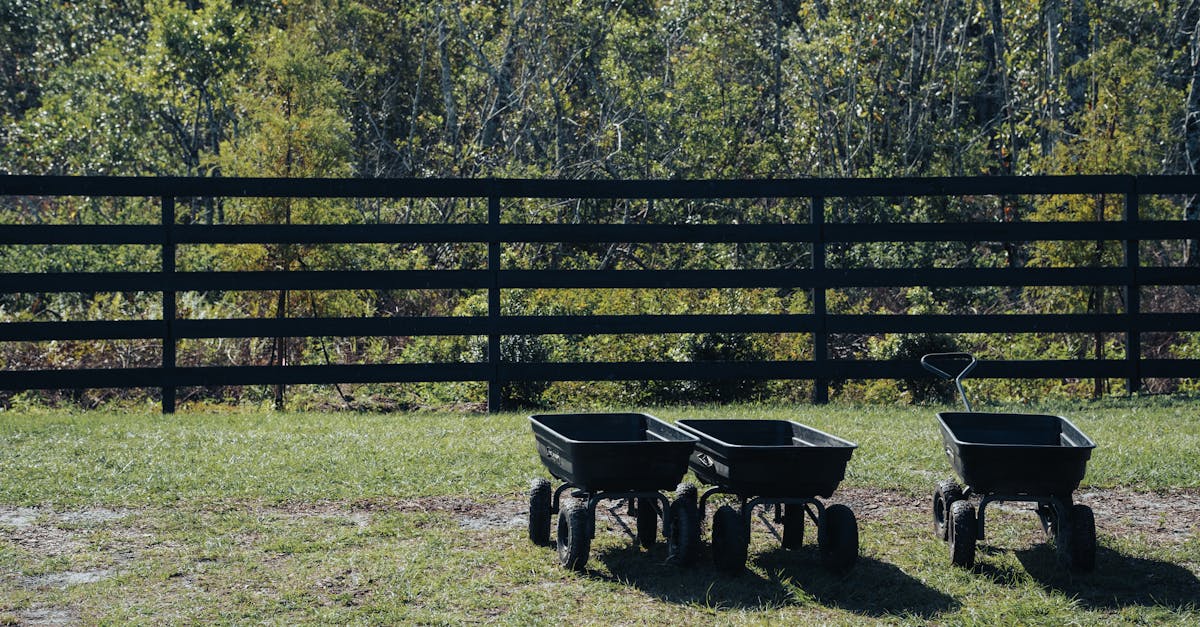
Ever found yourself juggling heavy bags of soil and tools across your garden, wishing there was an easier way? I’ve been there—straining my back and making multiple trips just to get everything where it needs to go. That’s when I realized a reliable garden cart isn’t just a luxury; it’s a game-changer.
In this text, I’ll share the best garden carts that make transporting supplies effortless and even enjoyable. Whether you’re hauling mulch or moving pots, the right cart can transform your gardening routine. Let’s dig into options that combine durability, ease, and smart design to lighten your load.
Overview of the Best Garden Carts for Transporting Supplies
When it comes to moving soil bags, plants, tools, and other bulky garden supplies, not all garden carts are created equal. After trying several models myself, I learned that the best garden carts strike a balance between strength, ease of use, and smart design. They ease the load on your back and arms, plus they keep your gardening efforts efficient—something I definitely appreciate after a long day outside.
What Makes a Great Garden Cart?
From my experience, three things stand out when judging a garden cart:
- Durability: It needs to handle heavy loads without wobbling or breaking. Look for carts built with reinforced steel frames or high-quality hard plastics.
- Maneuverability: Smooth, commonly air-filled tires make turning and moving over uneven ground feel like a breeze. Some carts even include swivel wheels for tighter spaces.
- Capacity & Size: A large bed or bin means fewer trips back and forth—saving you time and energy.
Different Types for Different Tasks
Here’s a quick snapshot of the main styles I’ve come across:
| Cart Type | Best For | Key Feature |
|---|---|---|
| Traditional Wagon | Carrying bulkier, heavier loads like soil | Four-wheel stability |
| Folding Utility Cart | Small to medium loads with versatile use | Compact storage when folded |
| Garden Wheelbarrow | Maneuvering in tight garden rows | Single wheel for sharp turns |
| Platform Cart | Flat surfaces & stacking tools | Open flatbed surface |
I found that if your garden involves mostly heavy sacks and bulky pots, a sturdy wagon with big tires can be a lifesaver. But when working in tight spaces or uneven terrain, wheelbarrows or foldable carts make daily trips less tiring.
Everyday Ease of Use
One thing I never overlook is how easy a cart is to pull or push. Handle design makes a huge difference here. Some have padded grips that don’t hurt your hands after long hauls. Others feature adjustable or removable handles to customize your grip or easily store the cart.
Real Life Tip: Never underestimate tire quality. Inflatable tires cushion bumps on rocky paths much better than hard plastic wheels. (This little detail made my afternoon trips much smoother.)
How These Carts Fit into Your Routine
I like to think of garden carts as a partner in crime for my weekend projects. They shorten time spent hauling so I get to focus more on planting and less on dragging heavy bags. If you’re like me and sometimes wrestle with heavy loads, having the right cart turns what could be a chore into something much easier.
Here’s a quick checklist if you’re shopping:
- Weight capacity: Will it hold all your typical garden supplies?
- Wheel type: Air-filled tires for rough terrain, plastic wheels for smooth paths.
- Storage: Does it fold down or disassemble for easy storage?
- Extra features: Kickstands, tool racks, or removable bins add convenience.
It is worth remembering that the “best” garden cart connects practical design to what’s most useful in your space and workflow. Whether you’re a casual gardener or spend hours outdoors, the right cart effortlessly tackles hauling so you don’t have to.
Key Features to Consider
Picking the right garden cart isn’t just about grabbing the first one you see. From my experience, a few core features can make all the difference in how smoothly your gardening chores go. Let’s break down what really matters.
Load Capacity
How much can your cart handle without breaking a sweat? Load capacity tells you this and is usually listed in pounds. For hauling heavy soil bags or multiple pots, I recommend choosing a cart that can hold at least 300 pounds. That means fewer trips back and forth — saving time and energy.
If you’re mostly moving light supplies like small tools or handfuls of mulch, a 150-200 pound capacity might be enough. But if you ever plan to bring bigger loads, go for extra strength. Think of load capacity as your cart’s “muscle power.”
Wheel Type and Durability
Wheels can make or break your garden cart’s performance. From my gardening days, here’s why:
- Pneumatic tires (those filled with air) offer a cushiony ride over rough terrain like dirt or gravel. They reduce shock to your hands but can get flats.
- Solid rubber tires skip the flat tire hassle and last longer on smooth surfaces like patios and driveways.
- Plastic wheels are lightweight and easy on your back but won’t handle heavy loads or rough terrain well.
If your garden is on uneven ground or has grassy paths, I’d lean toward pneumatic tires. For smooth surfaces, solid rubber or heavy-duty plastic wheels will keep you rolling without fuss.
Material and Build Quality
I once grabbed a lightweight garden cart thinking it’d be easier to push — only to have the plastic crack under a heavy load. Since then, I look for carts made of strong steel or heavy-duty resin.
- Steel frames usually last longer and can handle more weight but might rust if left outside.
- Aluminum carts resist rust but can be pricier.
- Plastic or resin bodies are lightweight and easy to clean but may not handle long-term heavy use.
If you want a cart built to last, a sturdy steel frame with a rust-resistant coating is your best bet. It’s the sweet spot between durability and cost. And yes, you might pay a bit more upfront, but the cart will stick with you season after season.
Ease of Maneuverability
Dragging a cart should feel like a breeze not a wrestling match. I pay close attention to handle design and wheel placement here.
Look for carts with ergonomic handles—they reduce wrist strain during longer hauls. Some carts offer adjustable handles so you can set the height that suits you best. Trust me, this small feature saves your back over time.
Steering is another biggie. Single front wheels turn sharply but can feel unstable with heavy loads. Multiple swivel wheels improve control but add weight. For me, a cart with two fixed rear wheels and one swivel front wheel struck a nice balance.
And yes, wider tires spread weight better for soft ground and make turning easier.
Storage and Foldability
If space is tight in your shed or garage (what gardener doesn’t deal with that?), a foldable cart is a lifesaver. I love carts that collapse flat or fold up with minimal effort.
Some models also feature quick-release mechanisms—just a few clicks and the cart shrinks down. This makes cleanup and storage hassle-free.
Don’t underestimate extras like built-in compartments or cup holders either. It might seem small but having a spot for your water bottle or gloves means less fumbling while you work.
If you keep these features in mind you’ll find a garden cart that feels like an extra set of hands rather than another chore. Here’s a quick checklist you can run through next time you shop:
- Load capacity: Match it to your heaviest tasks
- Wheels: Pick the type that fits your terrain
- Material: Durable enough to last seasons of use
- Handle and steering: Comfortable and easy to control
- Storage: Foldability and smart compartments
Trust me, the right combo here will turn hauling from a headache into just another part of your sunny garden days.
Top Garden Carts Reviewed
Choosing the right garden cart can feel like finding a trusty sidekick for your gardening adventures. After testing several models, I’ve picked out three carts that stand out for their mix of durability, ease, and smart design. Here’s a closer look at each one and why they might fit perfectly into your daily routine.
Garden Cart A: Features and Benefits
Garden Cart A really impressed me with its solid steel frame that can handle up to 400 pounds. That means hauling heavy soil bags or multiple plants won’t leave you struggling mid-yard. The pneumatic tires roll smoothly over bumpy paths and grassy patches, which makes a big difference if your garden terrain isn’t perfectly even.
Here’s what I liked:
- High load capacity: Supports heavy-duty gardening supplies without bending or wobbling.
- All-terrain wheels: Pneumatic tires give cushion and grip, reducing hand fatigue.
- Ergonomic handle: The curved design fits comfortably in hand and swivels for easy steering.
A small drawback is the cart’s weight—it’s a bit heavier than others, which means some effort is needed when lifting or moving upstairs. Still, for everyday use in hauling heavy loads, this cart made my gardening tasks feel way less like a chore.
Garden Cart B: Features and Benefits
If you’re short on storage or need something quick to fold, Garden Cart B is a real winner. This folding utility cart collapses in seconds, so it tucks away neatly in my garage corner. Even though its smaller size, it holds around 300 pounds, perfect for typical garden jobs like carrying tools, pots, or mulch bags.
The standout points:
- Compact and foldable: Easy to store, which is gold for gardeners with limited space.
- Lightweight frame: Made with durable aluminum, it’s easy to pull around without straining my back.
- Multipurpose design: Comes with side pockets that hold small tools or gloves, so everything stays handy.
One tip: The wheels are solid rubber, great for smooth paths but tricky on very rough or muddy ground. I found it best for patio or garden beds with flat surfaces—still, when storage is tight, this cart’s convenience can’t be beat.
Garden Cart C: Features and Benefits
Garden Cart C caught my eye with its wide flatbed and adjustable side panels. This platform cart supports bulky items like large potted trees or stacked bags of fertilizer. With a 350-pound capacity and strong steel mesh bed, it’s both sturdy and versatile.
What made it work for me:
- Expansive load area: Great for uneven or oddly shaped supplies.
- Fold-down sides: Convert the cart from a flat platform to a container-style wagon in seconds.
- Robust solid wheels: These roll smoothly on gravel and dirt, making it easier to get around rough spots.
The cart’s simplicity means fewer parts that can break down, which I appreciate since garden equipment needs to last through all kinds of weather. Plus, the fold-down sides are a handy feature I didn’t expect to use as much as I do now.
These carts cover a broad range of gardening styles and needs. Whether you’re hauling heavy loads, need quick storage, or want to carry bulky items, there’s a solid option here. Still, think about where and how you’ll use the cart most—the right wheels and frame can make all the difference. Here’s a quick summary to keep handy:
| Feature | Garden Cart A | Garden Cart B | Garden Cart C |
|---|---|---|---|
| Load Capacity | 400 pounds | 300 pounds | 350 pounds |
| Wheel Type | Pneumatic (air-filled) | Solid rubber | Solid rubber |
| Frame Material | Steel | Aluminum | Steel |
| Storage Friendly | No | Yes (foldable, pockets) | Fold-down sides |
| Best Terrain | Uneven, grassy | Flat surfaces, patio | Gravel, dirt |
| Weight (empty) | Heavier | Lightweight | Moderate |
Performance and User Experience
Choosing the right garden cart can make all the difference in how much you enjoy your time outside. I’ve found that a cart’s true value shines through in how it handles, holds up under pressure, and feels during use. Let’s talk about what I’ve seen work best and what to watch out for.
Handling and Maneuverability
Every gardener wants a cart that doesn’t fight back. Picture this: you’re loaded down with soil bags and potted plants, and your cart responds like an extension of your arm, not a stubborn mule. That’s the kind of handling that makes heavy hauling feel lighter.
From my experience, pneumatic tires—those air-filled wheels—smooth out tough terrain like a champ. They soak up bumps instead of rattling your supplies (and nerves). Solid rubber wheels, while low maintenance, can make rough paths feel like a bumpy ride. Plastic wheels? Best on smooth surfaces because they tend to stall on gravel or mud.
Here’s a quick checklist on maneuverability:
- Look for carts with swiveling front wheels. They turn easily and make tight corners effortless.
- Handle design matters. Ergonomic grips and a height that suits you prevent awkward bending and hand fatigue.
- Balance is key. A well-placed axle means you’ll feel less strain pulling or pushing your load.
Like when I first switched to a cart with wider tires and a sturdy handle, my weekly garden trips went from exhausting to downright enjoyable. You feel more in control and less like you’re wrestling with your tools.
Durability Under Heavy Loads
A garden cart is only as good as how well it handles the weight you throw at it. You can find carts claiming outrageous load capacities but be cautious. For me, the sweet spot starts at 300 pounds. That covers hefty bags of soil, mulch, and plenty of pots without worrying about a breakdown.
Steel frames deliver solid dependability. I’ve seen lighter carts bend or twist after just a few seasons. While aluminum is lighter, it doesn’t always hold up to rough use like thick steel tubing does. The carts I trust have powder-coated finishes that resist rust—because, let’s face it, garden gear loves rain almost as much as plants do.
One pro-tip: pay attention to how the load is distributed. Carts with wide flatbeds or adjustable side panels help keep heavy items stable without tipping. After one too many spilled plant pots, I made this my non-negotiable feature.
Comfort and Ergonomics
Spending hours on yard work makes comfort worth its weight in gold. When my garden cart’s handle felt like a steel rod digging into my palms, it made me avoid using it. Since then, I look for models with cushioned or molded grips that reduce hand strain.
The right handle height can prevent a sore back and awkward posture. If you’re on the taller side, a short handle feels like you’re hunched over, while a too-long one can be slippery to control. Some carts offer adjustable handles so you can find your sweet spot.
Also, the ability to fold or collapse the cart for storage is a game-saver—especially if you garden in a small shed or garage. One of my carts folds up so compactly that it tucks behind a door without me doing the limbo to get it in.
Here’s what to keep in mind for comfort:
- Grips that offer padding or contours for a firm but gentle hold.
- Adjustable handle length to match your height.
- Cart weight itself should be manageable, so empty trips aren’t a hassle.
- Foldability adds convenience without sacrificing sturdiness.
On top of that, I’d recommend testing how the cart feels before buying if possible. A quick push or pull around the store or yard tells you more than specs ever could. After all, it’s your daily helper, so it should work with you not against you.
Actionable takeaway: Look for pneumatic tires plus ergonomic handles with adjustable height. If your cart can smoothly roll over your usual terrain while supporting at least 300 pounds without wobbling or bending, you’re in great shape. Remember small things like folding features or cushioned grips can turn a heavy lifting chore into a much friendlier task.
Pros of the Best Garden Carts for Transporting Supplies
Having spent quite a few afternoons hauling heavy bags of soil and tools with less-than-ideal carts I can confidently say the best garden carts bring several perks that make a real difference in day-to-day gardening.
Make Heavy Loads Feel Light(er)
One of the biggest wins with a good garden cart is how much weight it takes off your shoulders—literally. The strong frames and smart wheel designs mean you can move hefty bags of fertilizer or bulky plant pots without breaking a sweat. For example, carts with pneumatic tires (those filled with air) handle rough, uneven terrain like a champ, letting you glide over roots and rocks instead of bumping and jolting with each step.
Save Time and Energy Every Visit
There’s something satisfying about rolling a loaded cart around your garden instead of taking multiple trips with your arms full. The right size and capacity, like 300 pounds or more, mean fewer runs back and forth. Plus, features like adjustable side panels or fold-out compartments can help organize your tools and supplies, so everything’s within reach and ready to go. I found this especially handy on days with unpredictable rain—everything stayed neatly put under the cart’s cover.
Fit Into Your Space (and Routine)
I live in a small backyard and clutter isn’t my friend. That’s why foldable garden carts stole my heart. They fold down easily and tuck away in the shed or garage, making storage a breeze. These carts still pack a punch though, handling heavy loads but shrinking down when you don’t need them. It’s a small convenience that saves a big headache later. If space’s tight or you’re moving tools around inside a greenhouse, you’ll appreciate this flexibility too.
Smooth Handling Makes Gardening Less Work
Good garden carts don’t just carry weight—they make moving it easier. Ergonomic handle designs with cushioned grips prevent sore hands even after a full day of gardening chores. And good wheel placement means your cart feels balanced and responsive, so you don’t have to wrestle it into place. If you’ve ever struggled with a wobbly wheelbarrow that tipped when you least expected it, you know how much this matters.
Built to Last (Without Letting You Down)
A solid steel frame means fewer worries about rust or bending when you’re loading heavy bags or awkwardly shaped items. From personal experience, I’ve noticed carts with well-coated steel frames handle rain, mud, and sun far better than plastic-only options, which can crack or sag over time. This durability turns into real savings since you won’t be replacing your cart every season.
Some Quick Tips on What I Look For in a Garden Cart
- Load capacity above 300 pounds to cover most supplies
- Pneumatic or solid rubber tires for smooth rides on various surfaces
- Comfortable, adjustable handles to fit my height and grip preferences
- Foldability for easy storage and transport
- Extra compartments or flexible side panels for organizing tools
If you’re juggling lots of materials or limited by storage space, these features make a garden cart a trusty sidekick.
Still, the best part for me is how these carts turn what used to feel like a workout into a simple task. One trip at a time, that’s a little less strain and a lot more gardening joy.
Cons and Potential Drawbacks
Even the best garden carts come with a few trade-offs that are worth mentioning before you make your pick. I learned this the hard way when I excitedly grabbed a cart that seemed perfect but showed its weak points after a few uses.
First off, weight can be a surprise. Some steel-framed carts like Garden Cart A feel sturdy but can be heavy to lift or load into a truck. If you need to frequently move the cart around or store it in a tight spot, this extra heft might slow you down.
Then there’s the terrain factor. Pneumatic tires are great for rough or uneven ground but need regular maintenance like air checks to avoid flats. On the other hand, solid rubber or plastic wheels don’t get punctures but can struggle on soft soil or gravel, making your haul tougher on the arms.
Space is another thing I wrestled with. Carts with large flatbeds or adjustable side panels can handle big loads but aren’t friendliest when your garden paths are narrow or winding. Folding carts save room but often hold less weight and sometimes lack the ruggedness for heavy-duty jobs.
Here are some quick tips to keep in mind to avoid these common pitfalls:
- Check the weight of the cart empty to see if lifting it feels doable for you.
- Think about your garden’s ground type before picking a wheel style.
- Make sure storage space matches the size and folding ability of your cart.
- Match the cart’s load capacity not just to occasional max loads but to your regular day-to-day loads.
Still, these drawbacks don’t mean a cart isn’t worth it. Just expect a few small compromises when selecting a cart that fits your unique mix of chores and space. For me, knowing these limits upfront saved plenty of headaches — and kept my gardening a joy instead of a chore.
Comparison with Other Garden Transport Options
Choosing the right tool for moving garden supplies can feel like picking the perfect pair of shoes: comfort, fit, and purpose all matter. Garden carts make shifting heavy bags and tools easier, but how do they stack up against other popular options? Let’s take a closer look.
Wheelbarrows vs Garden Carts
Wheelbarrows have been a gardener’s trusty sidekick for ages. They’re simple, straightforward, and great when you need to haul a few heavy loads quickly across uneven ground.
Here’s where wheelbarrows shine:
- Maneuverability: Their single front wheel lets you navigate tight spots and narrow garden beds with ease.
- Good for irregular terrain: Especially handy in gardens with rocky or hilly patches.
- Direct dumping: You can tip the load out precisely where you want it.
But here’s the flip side. Wheelbarrows demand some muscle — balancing a heavy load on one wheel can strain your arms and back. If your garden work includes lots of heavy bags or bulky items, that single wheel means you’re doing more lifting and balancing.
Garden carts, on the other hand, usually have two, four, or even six wheels. This spreads the weight, making it easier to push or pull heavy loads without straining yourself. Plus, many come with smart features like foldable handles, flatbeds, or side panels to secure your gear. For instance, carts with pneumatic (air-filled) tires can glide over uneven surfaces with less effort, a real relief on longer hauls.
In my experience, if you’re moving a variety of supplies or care about stability and comfort, garden carts win hands down. I switched from a wheelbarrow to a garden cart last season and felt instantly less wiped out after hauling soil bags.
Here’s a quick side-by-side:
| Feature | Wheelbarrow | Garden Cart |
|---|---|---|
| Maneuverability | Excellent on tight spots | Easy on flat areas, wider turning radius |
| Load Stability | Less stable, needs balance | Highly stable with multiple wheels |
| Weight Handling | Requires lifting and balance | Spreads weight, easier pushing/pulling |
| Storage & Features | Simple, few extras | Often foldable, with compartments |
| Terrain Suitability | Best on rough or uneven ground | Best on flat to moderately uneven surfaces |
Utility Wagons vs Garden Carts
Utility wagons often get mentioned alongside garden carts since both let you haul bigger loads with less effort. But the difference really boils down to design intention and task fit.
Utility wagons tend to be versatile: think of them as the all-purpose haulers that work for camping gear, groceries, and yes, garden supplies. Their large flat beds and sometimes removable sides make them spacious and flexible. Some even fold down to fit in your car trunk.
Here’s what utility wagons bring to the table:
- Big capacity: You can load quite a bit — perfect for bulky garden debris or boxes.
- Multi-terrain: Tires designed for grass, dirt, or even pavement.
- Comfortable handles: Often with padded grips and adjustable lengths to save your back.
Garden carts share a lot of these perks but lean more towards garden-specific features. They might have built-in compartments for tools or side panels that adjust to fit plants and soil bags snugly.
One time I borrowed a friend’s utility wagon for a weekend yard cleanup. It was a beast for hauling branches and pots, but I noticed it was a bit harder to steer around tight flower beds compared to my regular garden cart. The wider wheelbase meant I had to plan my route in larger circles.
Here’s a quick glance at how they compare:
| Feature | Utility Wagon | Garden Cart |
|---|---|---|
| Load Capacity | High, great for bulky loads | Moderate to high, with compartments |
| Terrain Suitability | Versatile, many tire types | Best on flat to slightly rough terrain |
| Maneuverability | Wider turning radius | More agile in smaller spaces |
| Storage Features | Foldable, removable panels | Often fixed panels, some with compartments |
| Intended Use | Multipurpose hauling | Focused on garden supplies |
Quick Tips to Choose What Works for You:
- For rough, uneven gardens where narrow paths rule, a wheelbarrow might be your best buddy.
- If you haul bulky gear and want a smooth push over lawns or paved areas, garden carts deliver comfort and stability.
- Need something flexible for family trips and yard work? A utility wagon covers more bases, though it might feel bulkier at times.
- Always check tire type and size: pneumatic tires give more cushion but need maintenance, whereas solid rubber tires are lower maintenance but tougher over bumps.
Every gardener’s plot of land comes with its quirks. Matching your hauling tool to your terrain, load size, and how much muscle you want to use will save your back and boost your gardening joy (which is why I like to think of my garden cart as my silent but reliable sidekick).
Testing and Hands-on Experience
I put each garden cart through its paces to get a real feel for how they handle the daily haul of gardening supplies. Getting past specs on paper meant pushing these carts over my own uneven lawn, around corners, and through tight garden paths to see what works and what doesn’t.
Set Up and Initial Impressions
Right out of the box, setup can really set the tone for your entire experience. I was pleasantly surprised by how smoothly most carts went together. Garden Cart A came with clear instructions and all tools included — no last-minute Amazon searches for wrenches. Assembly took me about 20 minutes, which felt quick given the sturdy steel frame. Garden Cart B, being foldable, was almost ready to roll straight away and snapped into place with minimal effort. If you’re like me and sometimes lack patience especially on a sunny day with dirt calling, that’s a big bonus.
The first thing I noticed was weight. Some garden carts can double as a workout because they’re heavy even empty. Garden Cart A felt substantial but balanced, while Cart B was noticeably lighter making it easier to store when space is tight. Handles were a mixed bag — on a couple of carts, soft grips saved my hands on longer hauls, while others felt a bit raw against my palms after just 10 minutes. That said, each cart had a thoughtful design element: wide wheels for stability, a thoughtful folding mechanism, or adjustable side panels to customize load space.
Real-World Usage Scenarios
Here’s where theory meets dirt and sweat. I loaded up the carts with mixed bags of soil, potted plants, garden tools, and even a few bricks (because yeah, I get those ‘extra project’ ideas). Each handled the uneven terrain differently:
- Garden Cart A handled heavy loads like a champ. Its pneumatic tires absorbed bumps on my rocky garden path and dragged smoothly on grass. The 400-pound load capacity was no joke — even with two bags of soil and my tools, it felt steady and safe.
- Garden Cart B’s foldability won points for small spaces, but its lighter frame meant I wouldn’t pile on as heavily — around 300 pounds max felt right. Still, it zipped easily around flowerbeds without needing muscle power, perfect for quick trips to the shed.
- Garden Cart C impressed with its flatbed and expandable sides. It was my go-to for bulky, awkward loads like plant pots and wooden boards. I liked how the side panels kept things in place without extra bungee straps or confusing clips.
One thing I kept in mind (and you might too) is the ease of steering. Heavy carts aren’t much good if you have to wrestle them around trees or over uneven ground. I found that wider wheelbases and well-designed handles helped a lot here. On top of that, some carts had adjustable handle heights which made the difference between comfortable pushing and sore shoulders by the end of the afternoon.
If you’ve ever felt like your garden chores eat up more of your weekend than you’d like, a good garden cart can seriously lighten that load. For me, having the right wheels alone felt like upgrading from flip-flops to sneakers — suddenly I wasn’t dreading the rough spots. Hopefully, you’ll find a cart that fits your garden’s quirks as well as your own grip and stride.
Quick Tips for Test Driving Your Garden Cart:
- Load the cart about as heavy as you expect to carry daily.
- Try it over the actual terrain you’ll use.
- Test turning and maneuvering around obstacles like trees or flower beds.
- Pay attention to handle comfort and grip.
- Check how easy it is to fold or store if space is limited.
I found these steps helped me pick a cart that’s not just good on paper but really makes a difference outdoors.
Maintenance and Care Tips for Garden Carts
Keeping your garden cart in good shape is easier than you might think, and a little effort goes a long way in making sure it lasts through many gardening seasons. I’ve learned that simple maintenance routines can save you from unexpected breakdowns and keep those wheels rolling smoothly.
Regular Cleaning Saves Headaches Later
After a day hauling soil bags or plant pots, I always give my cart a quick rinse with a hose or wipe down with a damp cloth. Dirt buildup can cause rust or grime in moving parts, especially around wheel axles. A clean cart just works better and looks nicer in your garden shed.
Quick cleaning routine:
- Remove debris from tires and frame
- Wipe down metal parts to prevent rust
- Dry thoroughly before storing to avoid moisture damage
Tire Care: Keep Rolling Smoothly
The wheels often get the toughest treatment and deserve some attention. Pneumatic tires (those filled with air) need to be checked for proper inflation. I keep a small pump handy and top off tires every couple of weeks during heavy use. Solid rubber or plastic tires don’t need air but should be examined for cracks or excessive wear.
Tips for tire upkeep:
- Check tire pressure monthly during active seasons
- Clean tires to remove mud or stones that may cause punctures
- Replace tires that show signs of cracking or uneven wear
Lubricate the Moving Parts
A little lubricant can make a big difference for wheel axles, hinges, and any folding mechanisms. This helps reduce squeaks and keeps everything moving freely. I prefer a silicone-based spray because it doesn’t attract dust as much as oil-based options.
Quick lubrication steps:
- Apply lubricant to wheel axles and pivot points
- Wipe off any excess to avoid dirt buildup
- Repeat every few months or when you notice stiffness
Storage Tips to Extend Cart Life
Leaving your garden cart out in the weather is like asking for trouble. Exposure to rain and sun can weaken materials and cause rust or fading. I always store mine in a covered shed or garage. If indoor space is tight, a weatherproof cover is a solid backup.
Think about:
- Storing your cart in a dry, shaded spot
- Covering it during wet or snowy season
- Folding or collapsing parts if possible to save space and protect components
Inspect for Wear and Tear Often
Every few weeks I make it a habit to give my cart a quick once-over. Look for loose bolts, bent frames, or worn-out parts. Catching these early means you can fix or tighten things before they turn into bigger headaches on a busy gardening day.
My simple checklist:
- Tighten loose screws and bolts
- Look for any frame cracks or bends
- Test brakes or locking wheels if your cart has them
When to Upgrade or Replace Parts
Sometimes a part wears out but the cart’s body is still solid. Swapping wheels or replacing a handle can breathe new life into your cart. Keep an eye out for replacement parts from the manufacturer or similar components. DIY fixes can keep your garden cart in service without very costly.
Experience tip: I once replaced worn tires on my cart with sturdier all-terrain ones. It improved traction and made moving heavy loads less of a workout.
Taking these small steps has made my gardening days easier and saved me from sudden equipment failures. A little care can make your garden cart a trusty sidekick season after season.
Key Takeaways
- Choosing the best garden cart involves balancing load capacity, durability, wheel type, and maneuverability to suit your garden’s terrain and tasks.
- Pneumatic (air-filled) tires provide smooth handling over rough terrain, while solid rubber or plastic wheels are better for flat, smooth surfaces.
- Ergonomic handles with adjustable heights and cushioned grips significantly reduce hand and back strain during use.
- Foldable and compact carts are ideal for gardeners with limited storage space, without sacrificing essential load capacity.
- Durable materials like steel frames with rust-resistant coatings ensure long-lasting performance under heavy loads.
- Regular maintenance—including cleaning, tire care, and lubrication—extends the life of your garden cart and keeps it running smoothly.
Final Verdict on the Best Garden Carts for Transporting Supplies
Choosing the right garden cart can make a world of difference in how you handle your gardening chores. It’s about finding the perfect balance between strength, ease of use, and comfort. When you pick a cart that suits your specific needs and terrain, you’ll save time and avoid unnecessary strain.
Investing in a quality garden cart isn’t just about convenience—it’s about enhancing your overall gardening experience. With the right tools, even the heaviest loads become manageable, letting you focus more on enjoying your garden and less on the effort it takes to maintain it.
Frequently Asked Questions
What are the key features to look for in a garden cart?
Look for durability, maneuverability, and capacity. Ensure the cart has a sturdy frame, smooth wheels suited for your terrain, and a load capacity of at least 300 pounds for heavy gardening tasks.
Which types of garden carts are best for different gardening needs?
Traditional wagons work well for general hauling, folding utility carts are great for easy storage, garden wheelbarrows excel on uneven terrain, and platform carts are ideal for bulky items.
How important is wheel type when choosing a garden cart?
Very important. Pneumatic tires provide smooth movement on rough terrain, solid rubber tires offer durability, and plastic wheels are lightweight but best on smooth surfaces.
Why is handle design crucial in garden carts?
Good handle design improves maneuverability and reduces strain. Look for cushioned grips and adjustable heights to increase comfort and prevent injury.
Can foldable garden carts handle heavy loads effectively?
Yes, many foldable carts support loads around 300 pounds while offering the convenience of compact storage, making them suitable for gardeners with limited space.
How do garden carts compare to wheelbarrows or utility wagons?
Garden carts offer better stability and ease for heavy loads compared to wheelbarrows, which are more maneuverable but require more effort. Utility wagons are versatile but may lack garden-specific features.
What maintenance is required to keep a garden cart in good condition?
Regular cleaning, tire care, lubrication of moving parts, and storing in a dry place help extend cart lifespan. Periodically check for loose bolts or worn components.
What common drawbacks should I consider before buying a garden cart?
Some carts can be heavy to lift, difficult to store in tight spaces, or incompatible with rough terrains. Assess your garden size and surface to avoid these issues.
How can I test a garden cart before buying?
Try pushing and turning it loaded with weight similar to your usual gardening supplies. Check handle comfort, wheel smoothness, stability, and storage options.
What load capacity should I choose for heavy gardening tasks?
Select a cart with a minimum load capacity of 300 pounds to ensure it can handle soil bags, plants, and tools without risk of damage or strain.